
Online Slots
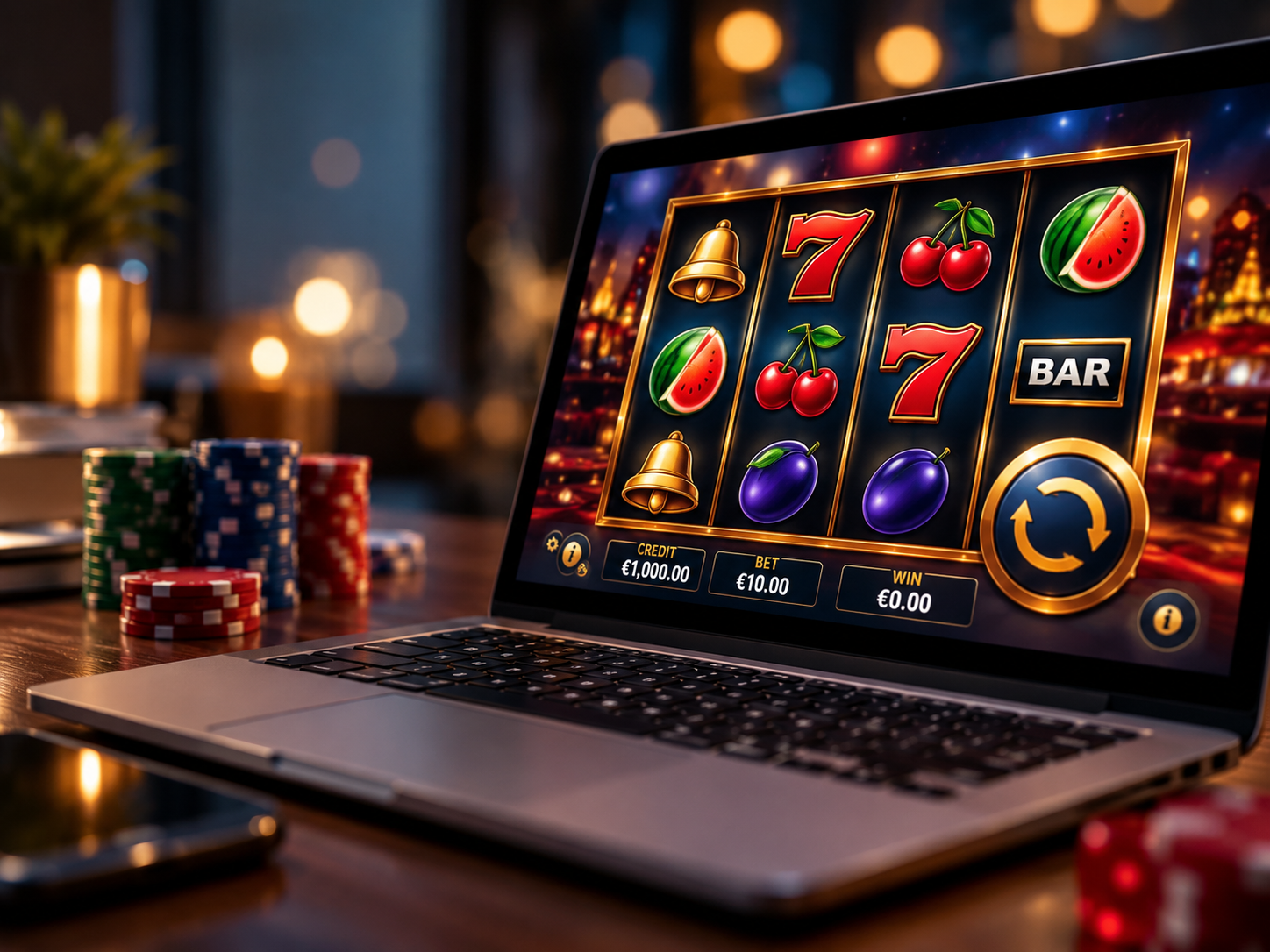
Online slots are the most popular game in any online casino, and it's easy to see why. They're simple to start, quick to play and come in thousands of themes, formats and feature sets. Behind the spinning reels, though, there's a clear set of mechanics that decides how often a slot pays, how much it can pay and what kind of experience you can expect. Once you understand those mechanics, you can pick slots that fit your budget and play style instead of picking at random.
This guide covers everything you need to know: how slots work, what RTP and volatility really mean, the main types of slots, bonus features, jackpots and practical tips for playing responsibly. Want to explore other casino games as well? Visit the Casino Daily News homepage for our latest guides and news.
How Online Slots Work
Every online slot runs on a Random Number Generator (RNG). This software constantly generates number sequences, even when nobody is playing. The moment you press spin, the RNG determines the outcome, and the reel animation simply shows you the result. Each spin is completely independent of the previous one. A slot is never "due" for a win, and a big win doesn't make the next spin any less likely to pay.
Licensed casinos use RNGs that are tested and certified by independent testing labs. This ensures that outcomes are random and that the game pays back according to its published return-to-player percentage over the long term.
Reels, Rows and Paylines
A classic slot has three reels and one or a few paylines. Modern video slots usually have five reels and three or four rows, with anywhere from 10 to 50 fixed or adjustable paylines. A payline is the pattern across the reels on which matching symbols must land to form a win, usually starting from the leftmost reel.
Many newer slots replace paylines with alternative systems:
- 243 or 1,024 ways to win: matching symbols on adjacent reels pay regardless of their row position.
- Megaways: the number of symbols per reel changes on every spin, creating up to 117,649 ways to win.
- Cluster pays: symbols pay when they form groups of a minimum size, horizontally or vertically connected.
- Pay anywhere: a set number of matching symbols anywhere on the grid creates a win.
Symbols
Slots typically use three groups of symbols. Low-paying symbols are often card ranks (10, J, Q, K, A) or simple icons. High-paying symbols match the game's theme, such as characters, gems or treasures. Special symbols trigger extras: wilds substitute for other symbols, scatters usually trigger free spins, and bonus symbols open bonus rounds. Always check the paytable before you play to see what each symbol pays and how the features are triggered.
RTP: Return to Player Explained
RTP stands for Return to Player and is expressed as a percentage. A slot with an RTP of 96% is designed to pay back €96 for every €100 wagered, calculated over millions of spins. The remaining 4% is the house edge.
It's important to understand what RTP does not tell you. It says nothing about your result in a single session. In the short term, you can win far more or lose far more than the RTP suggests. RTP is a long-term average, not a promise.
Still, RTP is one of the most useful numbers when choosing a slot. As a rule of thumb:
- Below 94%: below average, common with some progressive jackpot slots.
- 94% to 96%: the typical range for most online slots.
- Above 96%: above average, generally a better long-term deal for players.
Keep in mind that many game providers release the same slot in several RTP versions, and casinos choose which version they offer. The RTP is usually listed in the game's information or help screen, so check it there rather than assuming.
Volatility: How Slots Pay Out
Where RTP tells you how much a slot pays back over time, volatility (also called variance) tells you how it pays. Two slots with exactly the same RTP can feel completely different to play.
- Low volatility: frequent, smaller wins. Your balance moves steadily and sessions last longer. A good fit for casual play and smaller budgets.
- Medium volatility: a balance between hit frequency and win size. The most common category and a solid choice for most players.
- High volatility: long stretches without significant wins, broken up by occasional large payouts. These slots often have the highest maximum wins, but they require a bigger budget and more patience.
Matching volatility to your bankroll is one of the smartest decisions you can make. If you have a small budget and want to play for a while, a high-volatility slot can drain it quickly. If you're chasing a big hit and accept the risk, low volatility will likely feel dull.
Types of Online Slots
Classic Slots
Inspired by the original fruit machines, classic slots use three reels, a handful of paylines and traditional symbols like fruits, bells, bars and sevens. They're straightforward, fast and usually have few or no bonus features.
Video Slots
Video slots are the standard today. They feature five or more reels, detailed graphics, animations, soundtracks and a wide range of bonus features. Themes range from ancient Egypt and Norse mythology to fishing, fantasy and pop culture.
Megaways Slots
Megaways slots use a mechanic with a variable number of symbols on each reel per spin. This creates a constantly shifting number of ways to win and is often combined with cascading reels, where winning symbols disappear and new ones drop into their place.
Progressive Jackpot Slots
In a progressive jackpot slot, a small part of every bet goes into a jackpot pool that keeps growing until someone wins it. Network progressives link many casinos together, which is how jackpots can reach millions. The trade-off is that the base game RTP is often lower, because part of the return is reserved for the jackpot.
Bonus Buy Slots
Some slots let you buy direct access to the bonus round for a fixed multiple of your stake, often 50x to 100x or more. It's an expensive and high-variance way to play, and the feature is restricted or banned in several regulated markets.
Popular Slot Bonus Features
Bonus features are where most of a modern slot's winning potential sits. These are the most common ones:
- Free spins: usually triggered by three or more scatter symbols. Free spins often come with extras such as multipliers, sticky wilds or expanding symbols.
- Wild symbols: substitute for regular symbols to complete wins. Variants include expanding wilds, sticky wilds, walking wilds and multiplier wilds.
- Multipliers: multiply your win by a set or increasing amount, sometimes building up with each cascade or free spin.
- Cascading or tumbling reels: winning symbols are removed and replaced, allowing several wins from a single spin.
- Pick-and-win bonuses: you choose from hidden items to reveal prizes.
- Hold and win (respins): special symbols lock in place while the remaining positions respin, often with fixed jackpot prizes.
Free Spins and Slot Bonuses
Many online casinos offer bonuses aimed specifically at slot players. The most popular are free spins promotions, which give you a set number of spins on selected slots without using your own balance. These can be part of a welcome package, a deposit offer or a no-deposit bonus.
Before claiming any bonus, check the terms carefully: wagering requirements, maximum winnings, eligible games, minimum deposit and expiry date. A bonus with fewer spins and lower wagering is often worth more than a large offer with strict conditions. Read our full guide to free spins bonuses to learn how to spot good offers and avoid the common traps.
How to Choose the Right Slot
With thousands of slots available, a few simple checks help you narrow down the options:
- Check the RTP. Aim for 96% or higher when possible, and verify it in the game information screen.
- Match the volatility to your budget. Low or medium for longer sessions, high only if you accept bigger swings.
- Look at the maximum win. Expressed as a multiple of your stake (for example 5,000x), it shows the game's top potential.
- Read the paytable and rules. Know how features trigger and what symbols pay.
- Try the demo version. Most slots can be played for free in demo mode, so you can explore the game before playing with real money.
- Pick a theme you enjoy. You'll be spending time with the game, so the experience matters too.
Slot Strategy: What You Can and Can't Control
There's no strategy that beats a slot's RNG. Betting patterns, timing your spins or switching games after a win don't change the odds. What you can control is how you play:
- Set a budget before you start and treat it as the cost of entertainment, not an investment.
- Choose your stake size wisely. A smaller stake gives you more spins and more chances to hit a bonus feature.
- Set a time limit and take regular breaks.
- Never chase losses. Increasing your bets to win back money is the fastest way to lose more.
- Decide on a win goal. Cashing out part of a win keeps it from flowing back into the game.
If you prefer games where your decisions do influence the outcome, take a look at blackjack or poker, where strategy plays a real role.
Slots vs. Other Casino Games
Slots are pure chance, fast-paced and offer the widest range of themes and features. Table games offer a different experience. Roulette combines simple rules with a wide choice of bets and fixed, transparent odds. Baccarat is equally simple and has one of the lowest house edges in the casino on the banker bet. Blackjack rewards players who learn basic strategy, while poker is the only casino game where you play against other players rather than the house.
Many players mix it up: slots for variety and big-win potential, table games for a slower pace and more control over the odds.
Playing Slots on Mobile
Almost all modern slots are built mobile-first in HTML5, which means they run smoothly in the browser on smartphones and tablets without downloading an app. Gameplay, features and RTP are identical to the desktop version. The interface is usually adapted to touchscreens, with portrait mode support in many newer games.
Responsible Gambling
Slots are designed to be entertaining, but their speed and accessibility mean it's important to stay in control. Only play at licensed casinos, only gamble with money you can afford to lose, and use the tools casinos offer, such as deposit limits, session reminders, cool-off periods and self-exclusion. If gambling stops being fun or starts affecting your finances, relationships or wellbeing, seek help from a support organisation in your country. Online gambling is only available to players aged 18 or older (or the legal age in your jurisdiction).
Frequently Asked Questions About Online Slots
Are online slots fair?
Yes, provided you play at a licensed casino. Slots at regulated operators use certified RNGs that are independently tested to ensure random outcomes.
Which slots pay out the most?
Over the long term, slots with the highest RTP return the most to players. For the biggest single wins, look at high-volatility slots with a high maximum win or progressive jackpot slots.
Can I play slots for free?
Most online slots offer a demo mode where you play with virtual credits. You can also use free spins bonuses to play with real-money winning potential without using your own balance.
Is there a best time to play slots?
No. Every spin is random and independent, so the time of day, day of the week or your previous results have no effect on your chances.
What's the difference between RTP and volatility?
RTP shows how much a slot pays back on average over the long term. Volatility shows how those payouts are distributed: frequent small wins or rare big wins.